
New York City Marathon
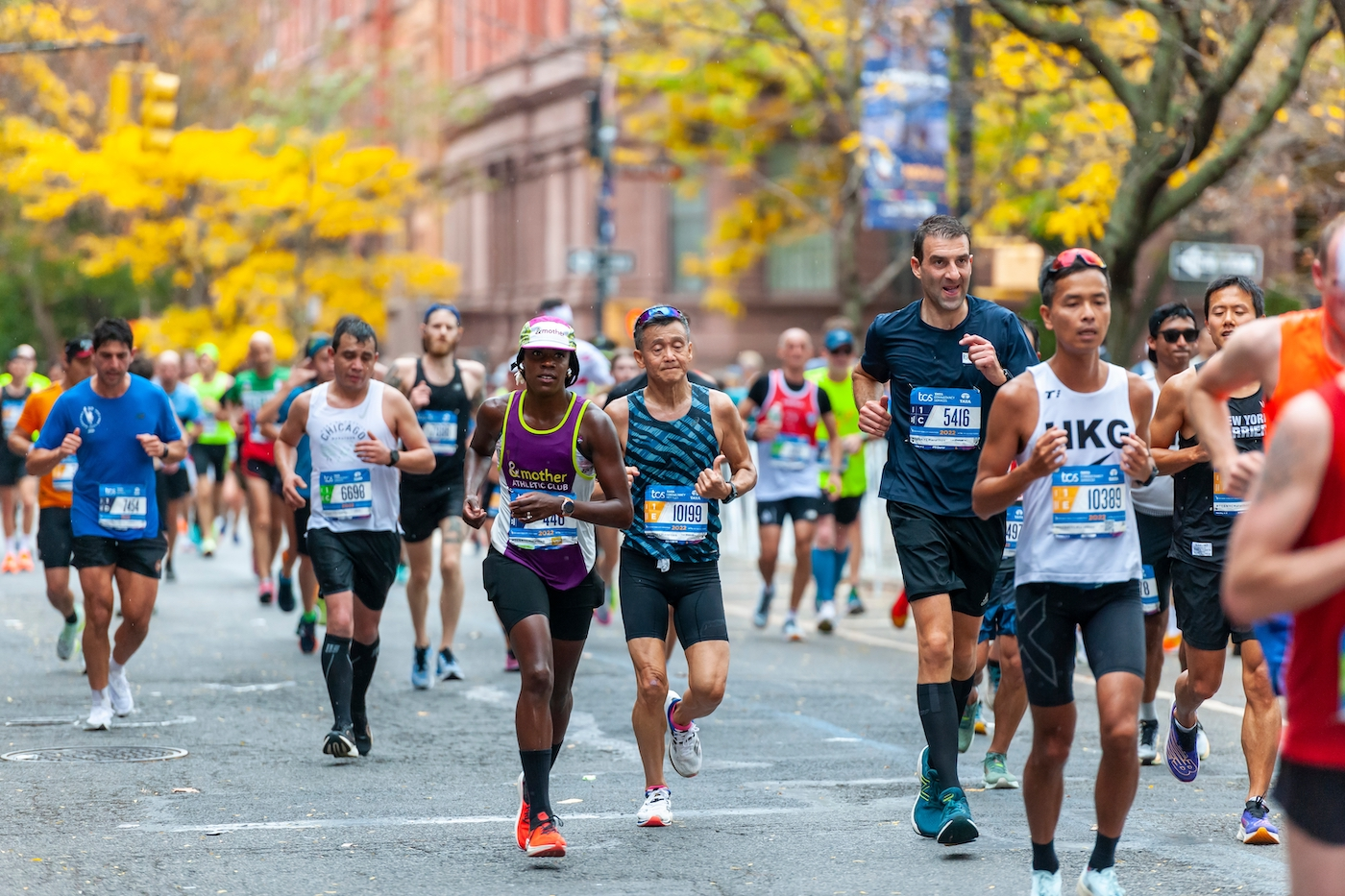
The New York City Marathon is a major annual long-distance running event that began in 1970 with 127 participants completing laps around Central Park, organized by Fred Lebow and Vince Chiappetta. The race expanded dramatically in 1976 to celebrate the U.S. bicentennial by including a route that traversed all five boroughs of New York City a feature that quickly became a trademark and ongoing tradition.
The course includes Staten Island, Brooklyn, Queens, the Bronx, and Manhattan, crossing five major bridges and more than 300 intersections, making it logistically complex and unique among marathons. The route starts on Staten Island, travels north through Brooklyn, moves into Queens, crosses the Queensboro Bridge into Manhattan, briefly enters the Bronx, and finishes in Manhattan’s Central Park. The event is famous for its energetic support from hundreds of thousands of spectators lining the route and its integration into the very fabric of the city’s neighborhoods, reflecting the city’s diverse population.
The marathon is renowned for its role as both a sporting spectacle and a powerful symbol of unity and resilience, particularly noted after the September 11 attacks in 2001, when holding the event became an act representing recovery and solidarity for New York City and beyond. It reflects values such as inclusivity, tolerance, and the welcoming spirit of New York, with categories including elite, amateur, wheelchair, and handcycle athletes, and a strong history of participation by runners from around the world.
Other distinctive features include its influence on urban marathons worldwide and its pioneering role in supporting women’s and adaptive athletics, such as Grete Waitz’s nine victories and Dick Traum becoming the first person with a prosthetic leg to finish the event. The five-borough course and the enthusiastic citywide celebration by residents set it apart, providing a blend of athletic challenge and rich urban experience that makes the marathon unique in the world of distance running.
Statistics
| Elevation | ||
|---|---|---|
| Elevation Gain | 251 m | 823 ft |
| Elevation Low | 2 m | 7 ft |
| Elevation High | 81 m | 266 ft |
| Weather | ||
| Expected Temperature (Low) | 4°C | 40°F |
| Expected Temperature (High) | 13°C | 55°F |
| Chance of Rain | 2% | |
Did we get something wrong? Let us know at support@statathon.com