
Philadelphia Marathon
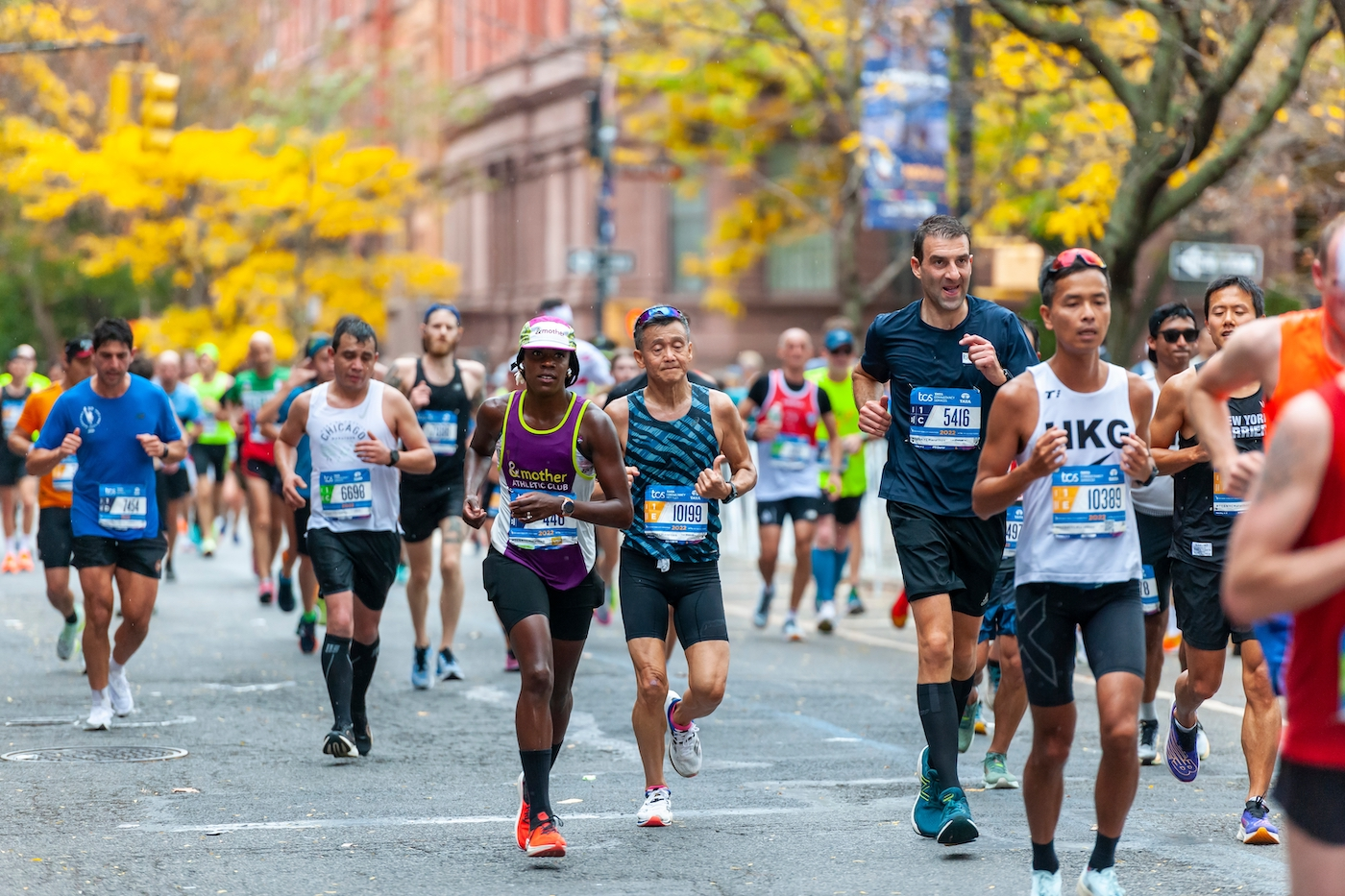
The Philadelphia marathon presents a mostly flat, urban course that winds through a range of historic and scenic neighborhoods. While the elevation changes are modest, with the lowest point near 3 meters above sea level and the highest around 42 meters, runners encounter rolling hills primarily between miles 4 and 10 as the route heads through West Philadelphia and University City. The first major hill appears just before the eighth mile, and a second notable climb happens in the tenth mile, each requiring an adjustment in effort but not posing extreme difficulty due to the gradual nature of the inclines and declines.
Participants navigate through central Philadelphia, passing landmarks and the Philadelphia Zoo, then move onto stretches where crowd support is sparse and surface conditions demand attention to potholes and manhole covers, especially if it’s rainy. After the ten-mile mark, the course flattens considerably, culminating in a gradual downhill leading back into the city that can help runners regain pace in the later miles.
The event’s urban landscape features a mix of city streets lined with enthusiastic supporters, quieter stretches through residential areas, and scenic views along the Schuylkill River. Runners experience a distinctive mix of urban energy and riverside tranquillity. The typical weather during the event is conducive to fast running, supporting a relatively high percentage of Boston Marathon qualifiers. Overall, the course offers a balance of mild challenges and motivating scenery, with varied runner experiences depending on specific sections of the route.
Statistics
| Elevation | ||
|---|---|---|
| Elevation Gain | 235 m | 771 ft |
| Elevation Low | 1 m | 3 ft |
| Elevation High | 44 m | 144 ft |
| Weather | ||
| Expected Temperature (Low) | 0°C | 32°F |
| Expected Temperature (High) | 9°C | 49°F |
| Chance of Rain | 2% | |
Did we get something wrong? Let us know at support@statathon.com