
Greater Manchester Marathon
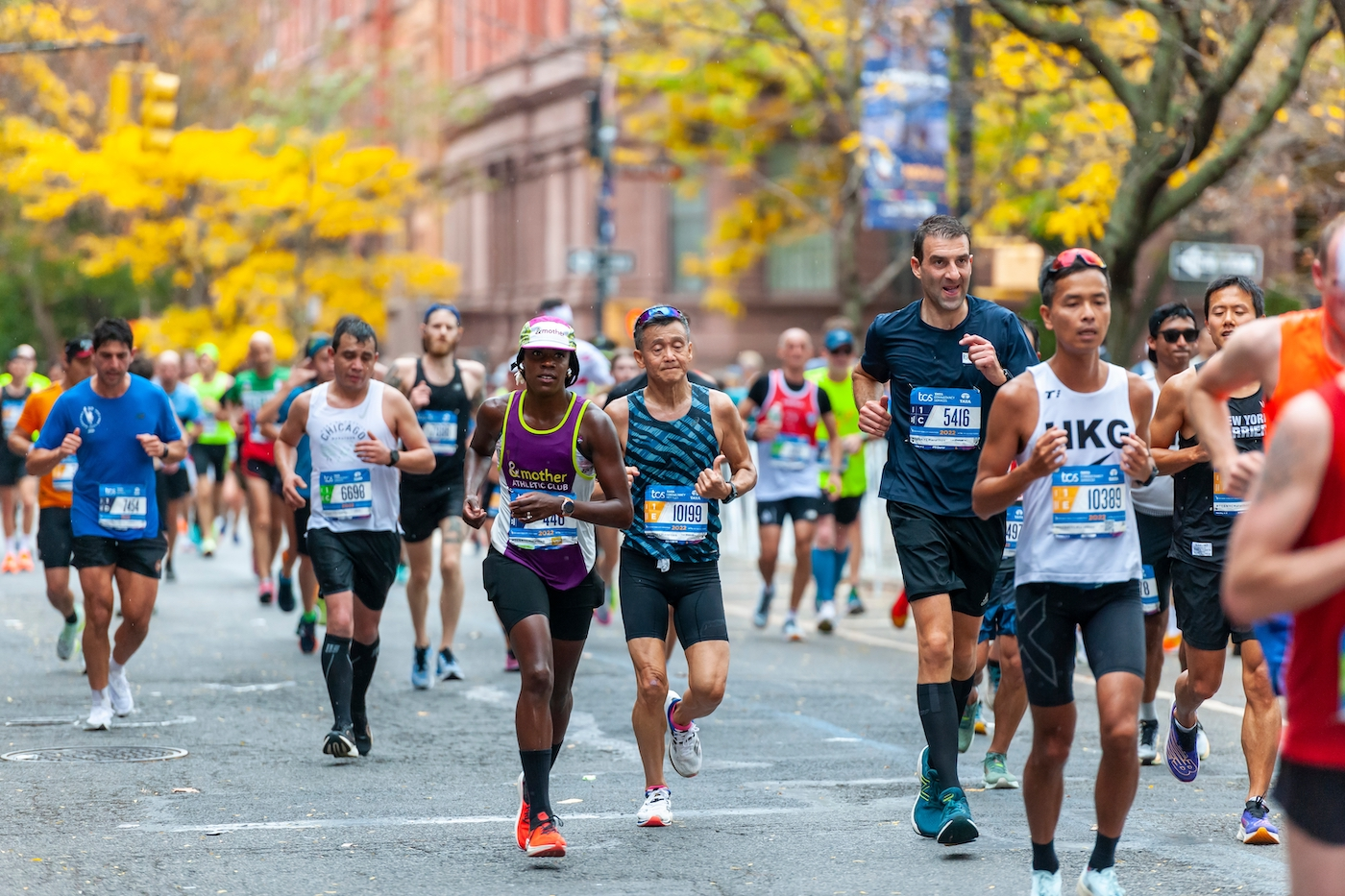
The event covers a 26.2-mile route designed as a single loop through Greater Manchester, starting and finishing near Old Trafford cricket ground. Runners traverse a largely flat course, presenting minimal elevation challenges, making it suitable for achieving personal bests. However, the course’s urban layout means runners may need to maintain pace through lengthy, straight stretches and frequent sharp turns around residential and city center bends.
Runners experience a mix of urban scenery and local neighborhoods. The course passes significant local landmarks, including the Old Trafford football ground, before threading through areas such as Chorlton, Hulme, Stretford, Sale, Timperley, Altrincham, Urmston, Salford, and Manchester city centre. The segment through the city centre showcases Manchester’s historic streets, modern architecture, and the energetic atmosphere of Deansgate before the route bends southward back toward suburban neighborhoods.
Throughout the run, crowd support is substantial, particularly in densely populated areas and near major landmarks, with tens of thousands of spectators lining the route. This crowd presence contributes to a consistently lively environment, but participants should be prepared for fluctuating levels of noise, varying congestion at popular sections, and unpredictable weather conditions common to north west England in spring.
The runner’s experience is influenced by the supportive but sometimes overwhelming crowd energy, flat terrain, and urban complexity. Logistics on race day can be challenging, as widespread road closures along major roads such as the A56 and surrounding streets affect travel to the start and finish, necessitating early arrival and careful transport planning. Public transportation, especially the city’s tram system, is often the preferred means of reaching accessible points along the course.
Overall, the event combines the challenge of maintaining steady pace on a fast, flat course with the energetic distraction of large, vocal crowds and dynamic, varied city scenery. While not presenting significant hills or technical terrain, the course demands focus and endurance amid the excitement and logistical demands of a large metropolitan marathon.
Statistics
| Elevation | ||
|---|---|---|
| Elevation Gain | 131 m | 430 ft |
| Elevation Low | 13 m | 43 ft |
| Elevation High | 44 m | 144 ft |
| Weather | ||
| Expected Temperature (Low) | 6°C | 43°F |
| Expected Temperature (High) | 16°C | 61°F |
| Chance of Rain | 9% | |
Did we get something wrong? Let us know at support@statathon.com