
Tokyo Marathon
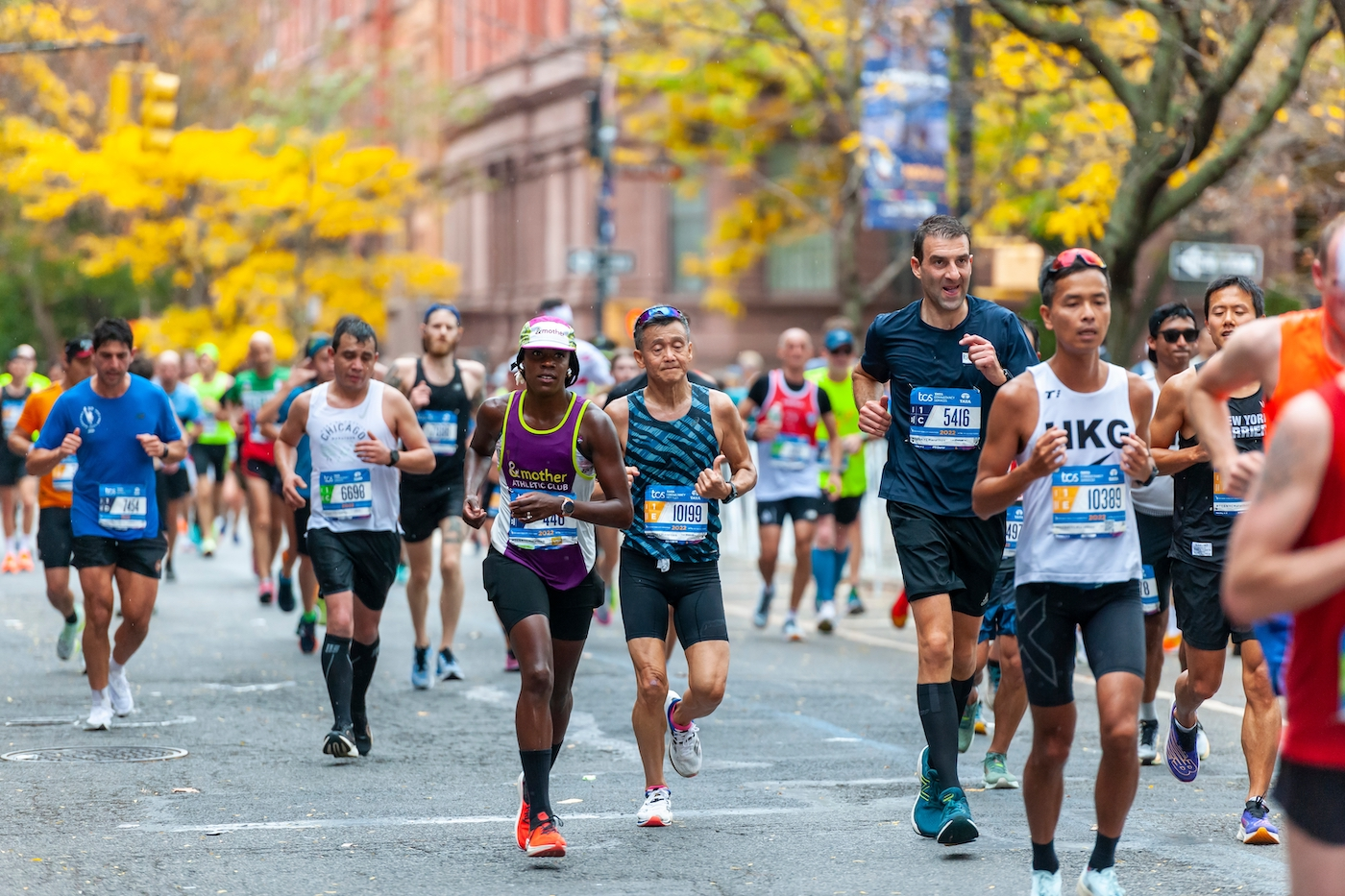
The Tokyo Marathon is a major annual marathon held on a certified urban road course, extending 42.195 kilometers through the heart of Japan’s capital. The course starts at the Tokyo Metropolitan Government Building in Shinjuku and finishes at the Japan National Stadium, traversing a variety of distinct districts and passing numerous city landmarks. The route includes sections through Suidobashi, where the Tokyo Dome is located, and proceeds via Sudacho, initiating an out-and-back section near Ueno Park, a significant cultural area known for its museums and recreational facilities. Participants also course through neighborhoods like Kanda, famed for its historic streets and bookshops, and continue into Nihombashi, an area with both commercial significance and deep historic roots.
The marathon is organized to utilize primarily main city roads, with an elevation gain of about 78 meters and a maximum elevation of approximately 41 meters, rendering the route relatively flat for marathon standards. Throughout the distance, runners encounter diverse urban environments, including Shinjuku’s commercial zone, the traditional districts of Asakusa and Sumida, the bustling electronics area of Akihabara, and shopping and entertainment quarters like Ginza. The finish is strategically situated near the Japan National Stadium, ensuring facilities are available for both athletes and organizers.
Race organization involves substantial logistics, with significant road closures and crowd control measures enacted along the densely populated route. An extensive support structure is provided, including hydration points, medical stations, and clearly marked kilometer signs. Access to the course is carefully managed, with guidance for both spectators and participants regarding public transit options, recommended viewing locations, and crowd management protocols.
Environmental conditions can vary, but early March in Tokyo is typically mild, though runners must prepare for variable weather. The cityscape setting means the race is rich with visual stimuli a combination of modern architecture, historic sites, and public enthusiasm from local spectators lining the route. Participants regularly remark on the high level of crowd support, the organization’s attention to detail, and the memorable scenery encountered throughout the run.
Competitors range from elite athletes aiming for international qualifying times to domestic and global amateur runners. The experience combines the challenge of marathon running with immersion in one of the world’s largest and most vibrant urban centers, marked by strict organization, a scenic and diverse course, and a uniquely metropolitan atmosphere.
Statistics
| Elevation | ||
|---|---|---|
| Elevation Gain | 62 m | 203 ft |
| Elevation Low | 1 m | 3 ft |
| Elevation High | 38 m | 125 ft |
| Weather | ||
| Expected Temperature (Low) | 4°C | 40°F |
| Expected Temperature (High) | 16°C | 61°F |
| Chance of Rain | 18% | |
Did we get something wrong? Let us know at support@statathon.com