
Amsterdam Marathon
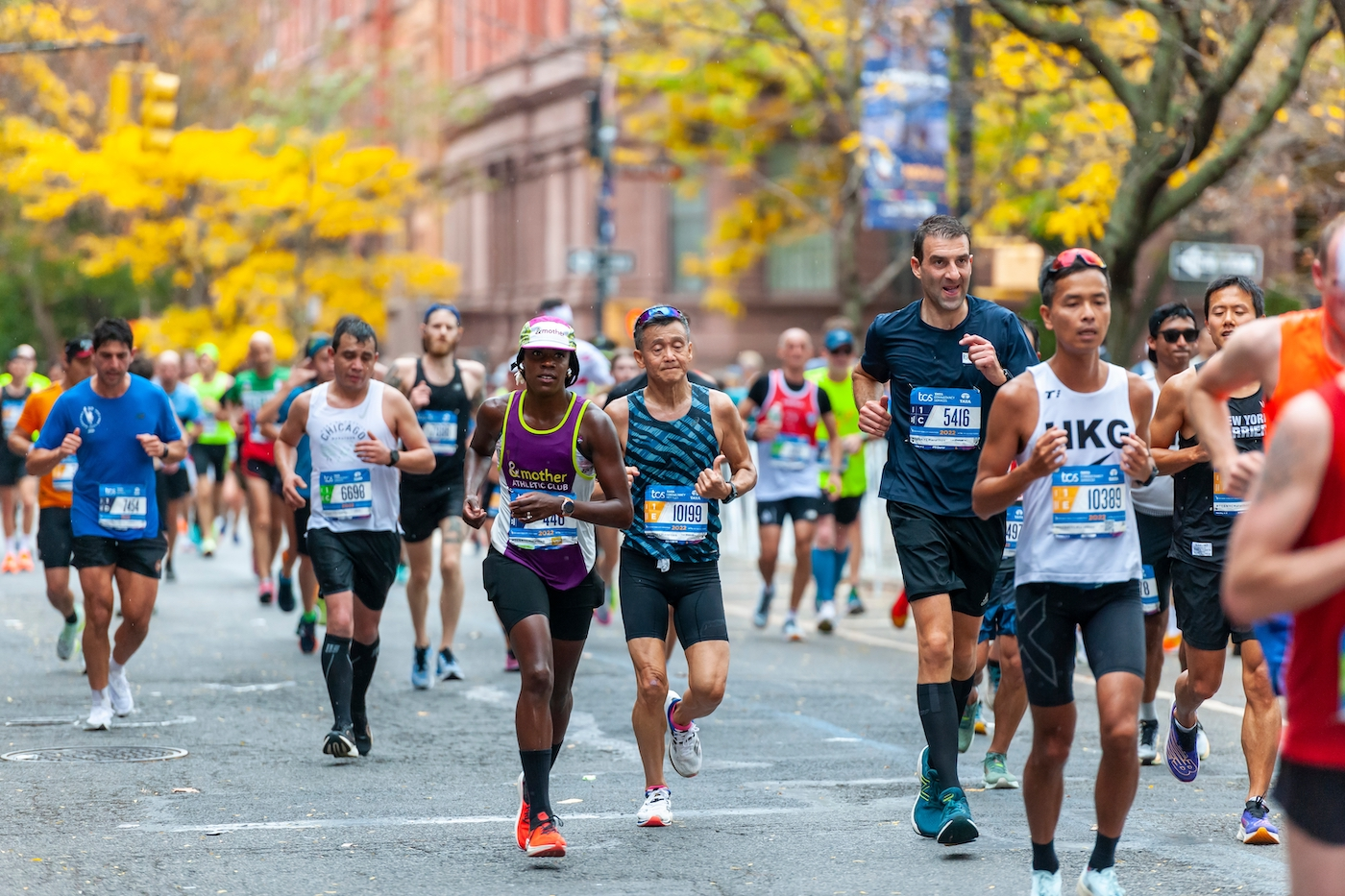
The course features exceptionally flat terrain, with a total elevation gain and loss of about 84 to 91 meters (274 to 301 feet) over the full distance. Elevation varies only minimally, between -3 meters to 4 meters below and above sea level, creating almost imperceptible hills or descents. This design allows most runners to maintain a steady pace, emphasizing endurance and speed rather than climbing ability.
The scenery is defined by a blend of *urban landmarks and serene waterways*. Participants run through significant stretches alongside the Amstel River, experiencing views of houseboats and open Dutch countryside before returning toward the city. The route connects prominent city districts, passes through tree-lined boulevards, historic streets, and features a loop through Vondelpark, Amsterdam’s most famous urban green space. Key roadways and neighborhoods include Ouderkerkerdijk, Binnenweg, Mauritskade, and Van der Madeweg, each offering their own architectural and atmospheric character.
Challenges are primarily related to long distances without major terrain changes, which can be physically and mentally demanding, especially since there are no downhill sections for recovery. The most taxing segment typically occurs after kilometer 36, where runners encounter a short tunnel and a bridge over the Amstel River the only substantial shift in elevation and a point where fatigue is likely to have set in. Weather conditions, often cool and sometimes windy in October, may also factor into the overall difficulty.
Runner experience emphasizes consistency, rhythm, and pacing. With numerous refreshment stations providing water, isotonic drinks, bananas, and sponges, the event is well-supported for both elite and amateur athletes. The crowd support is notable in the city sections, creating intermittent surges of energy, while quieter river-side and park segments offer space for focus and concentration.
Overall, the event is characterized by its reputation for speed, straightforward course layout, and the contrast between lively metropolitan stretches and tranquil Dutch landscapes.
Statistics
| Elevation | ||
|---|---|---|
| Elevation Gain | 93 m | 305 ft |
| Elevation Low | -3 m | -10 ft |
| Elevation High | 4 m | 13 ft |
| Weather | ||
| Expected Temperature (Low) | 9°C | 48°F |
| Expected Temperature (High) | 15°C | 59°F |
| Chance of Rain | 35% | |
Did we get something wrong? Let us know at support@statathon.com