
Austin Marathon
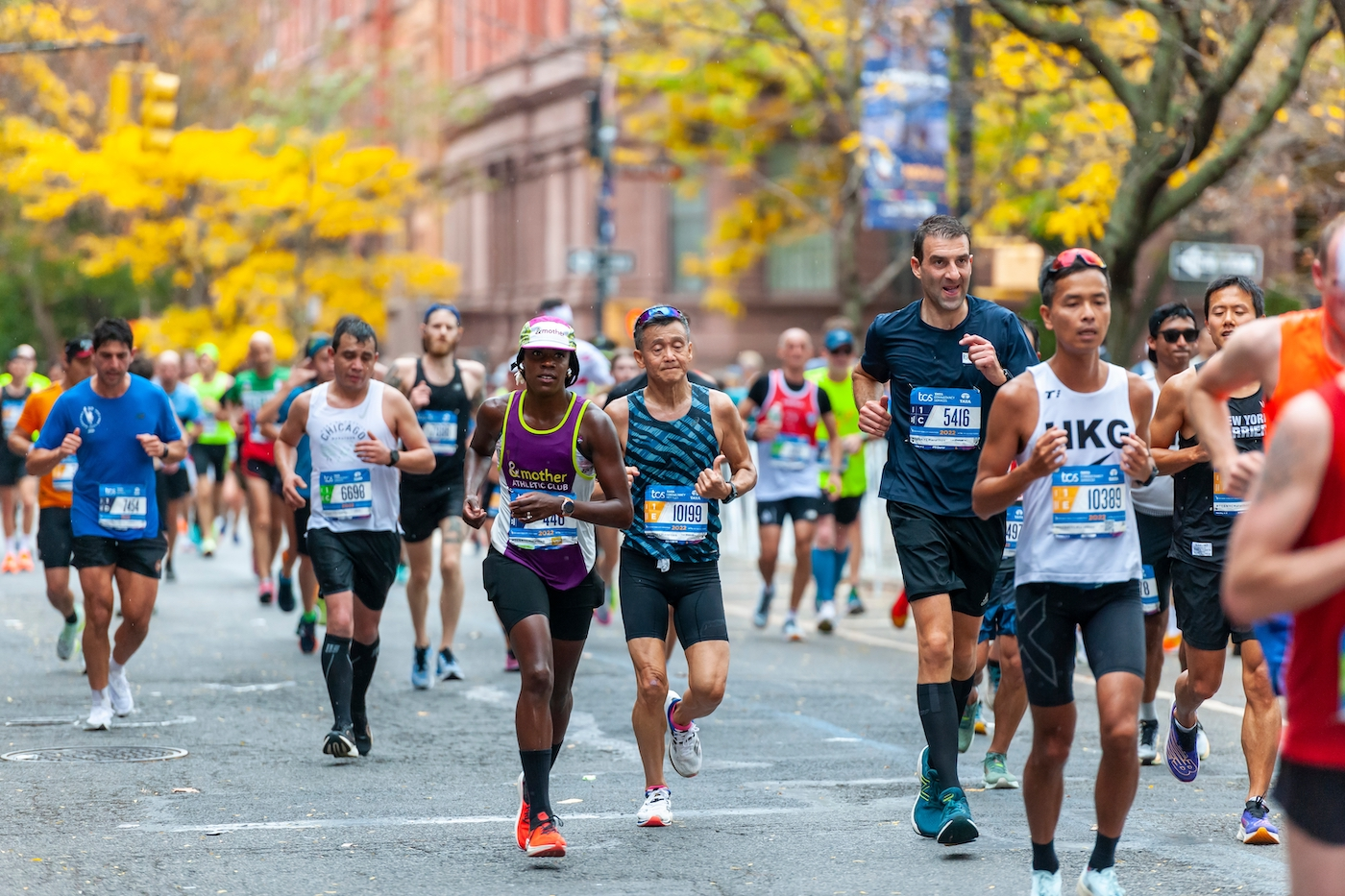
The Austin Marathon is an annual long-distance running event established in 1992 in Austin, Texas, and has evolved from a modest race into a major event attracting thousands of runners from all fifty U.S. states and numerous countries globally. Its historical roots connect with local culture, especially Texan traditions such as awarding belt buckle finisher medals, which reflect the regional identity and Austin’s pride in achievement. The marathon’s relationship with the city is integral, as it originated with backing from major sponsors, including Motorola, and has maintained its status as a premier athletic event in Texas for over three decades.
The 26.2-mile route is known for winding through the heart of Austin, offering runners a tour of the city’s most iconic sites. The starting line is situated at the Texas State Capitol, and the course encompasses the Congress Avenue Bridge home to Austin’s famous bat colony as well as energetic neighborhoods like The Drag and South Congress (SoCo), and passes local landmarks such as Lady Bird Lake and the University of Texas campus. The race challenges participants with elevation changes and scenic urban stretches, concluding near Republic Square in downtown Austin. Each landmark and neighborhood along the route highlights Austin’s character, providing a blend of urban, historic, and cultural scenery.
A distinctive aspect of the Austin Marathon is the strong local community support and celebration throughout the event. Thousands of volunteers and bands 27 live bands performing and 3,000 volunteers assisting create a festive environment, with music and cheering that line almost every mile. The event fosters inclusivity, offering not only marathon but also half-marathon and 5K races, along with a multi-day expo that attracts over 100 exhibitors and covers 70,000 square feet. The marathon is recognized for its finish line experience, including a festival covering several city blocks and incorporating food, music, and interactive activities.
The belt buckle finisher medal is a notable tradition; it mirrors awards given in Texas rodeos and events, embodying Austin’s local spirit and cultural values. The marathon is also used as a platform to promote charitable causes, with many runners participating to raise awareness and funds for community organizations. These elements rich local traditions, a vivid and challenging route, robust community involvement, and a celebratory atmosphere contribute to the marathon’s unique character and sustained popularity within Texas and beyond.
Statistics
| Elevation | ||
|---|---|---|
| Elevation Gain | 321 m | 1053 ft |
| Elevation Low | 131 m | 430 ft |
| Elevation High | 217 m | 712 ft |
| Weather | ||
| Expected Temperature (Low) | 7°C | 45°F |
| Expected Temperature (High) | 20°C | 68°F |
| Chance of Rain | 10% | |
Did we get something wrong? Let us know at support@statathon.com