
Calgary Marathon
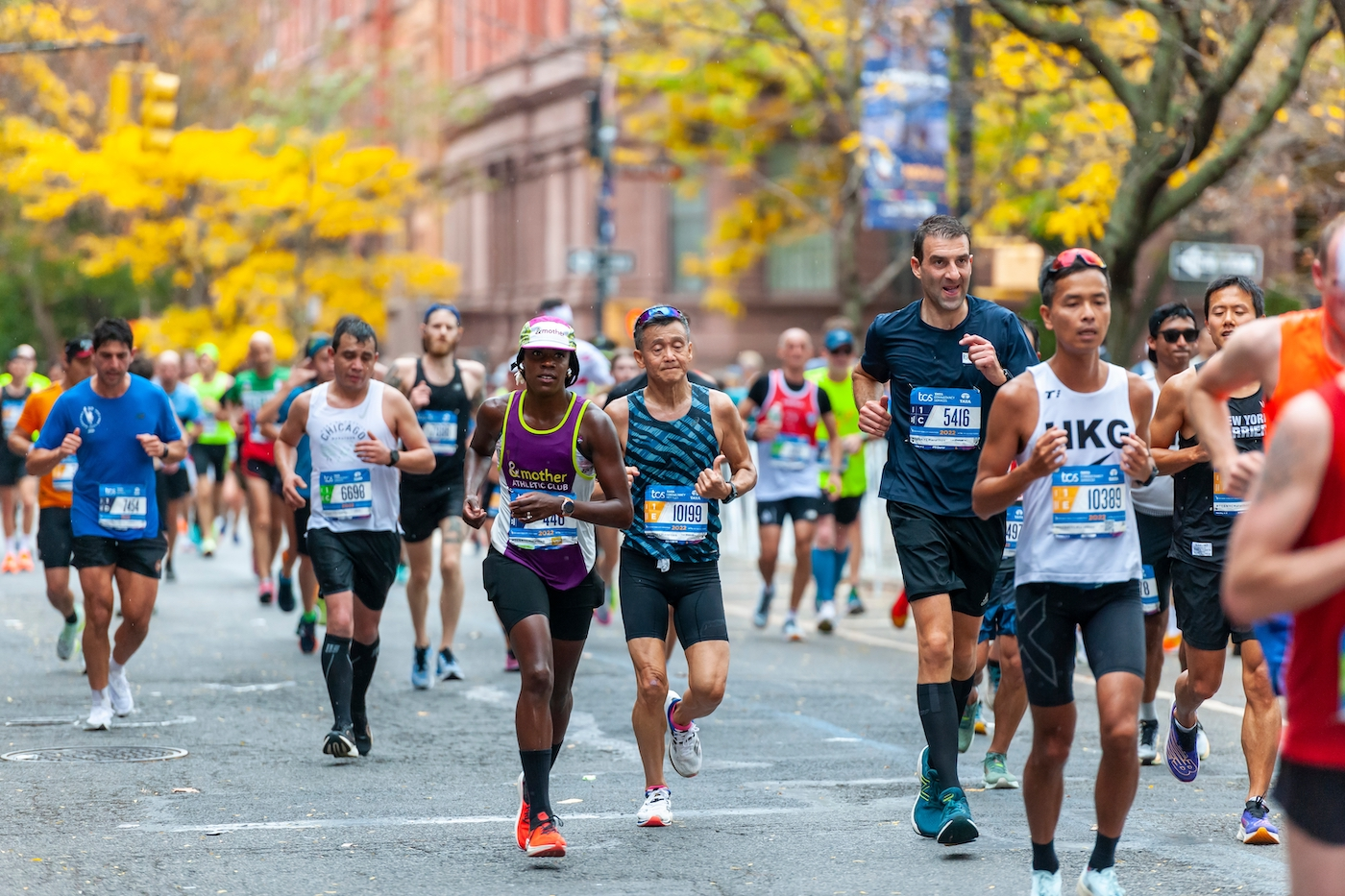
The Calgary Marathon is recognized as the longest running marathon in Canada, first established in 1963. It originated when Doug Kyle, Canada’s fastest runner at the time and an Olympian, decided to create the event to bring the 1964 Olympic marathon trials to Calgary, shifting the typical location from Ontario to Western Canada. The inaugural race, held on August 10, 1963, saw 19 male participants start at Glenmore Stadium, with only 12 finishing the challenging course, emphasizing the difficulty and early grassroots nature of the event.
Historically, the marathon’s founding marked a key moment for Western Canada, as it was the first marathon held in that region. Doug Kyle’s initiative and influence were central, not only in organizing the event but also in advocating for local runners to have competitive and logistical advantages, such as training and competing at Calgary’s higher altitude. The success of the first run directly led to Calgary hosting the Olympic marathon trials in 1964 an achievement that underlined the city’s growing prominence in long-distance running.
Culturally, the Calgary Marathon has grown into an event that both reflects and shapes the city’s identity. Various notable figures have contributed to its legacy, including race directors and community leaders who shaped its inclusive and well-organized character. The race has also seen unique moments, such as participants undertaking the full marathon in cowboy boots, highlighting its roots in local tradition and a creative spirit among competitors.
The course itself has evolved over time but typically offers routes that begin and end in central Calgary, weaving through urban neighborhoods and parks. The event is known for multiple race distances and a certified course, which has been carefully measured and sanctioned for accuracy over the years. The city’s elevation and variable spring weather conditions create a distinctive challenge for runners compared to lower-altitude marathons.
What distinguishes the Calgary Marathon is its longevity, its status as the longest continuously run Canadian marathon, and its influence in bringing major national events, such as the Olympic trials, to Western Canada. Its combination of historical significance, connection to Canadian running pioneers, and ongoing community engagement ensures its continued place as an important fixture in Canadian road racing.
Statistics
| Elevation | ||
|---|---|---|
| Elevation Gain | 136 m | 446 ft |
| Elevation Low | 1068 m | 3504 ft |
| Elevation High | 1060 m | 3478 ft |
| Weather | ||
| Expected Temperature (Low) | 5°C | 41°F |
| Expected Temperature (High) | 18°C | 64°F |
| Chance of Rain | 17% | |
Did we get something wrong? Let us know at support@statathon.com