
Los Angeles Marathon
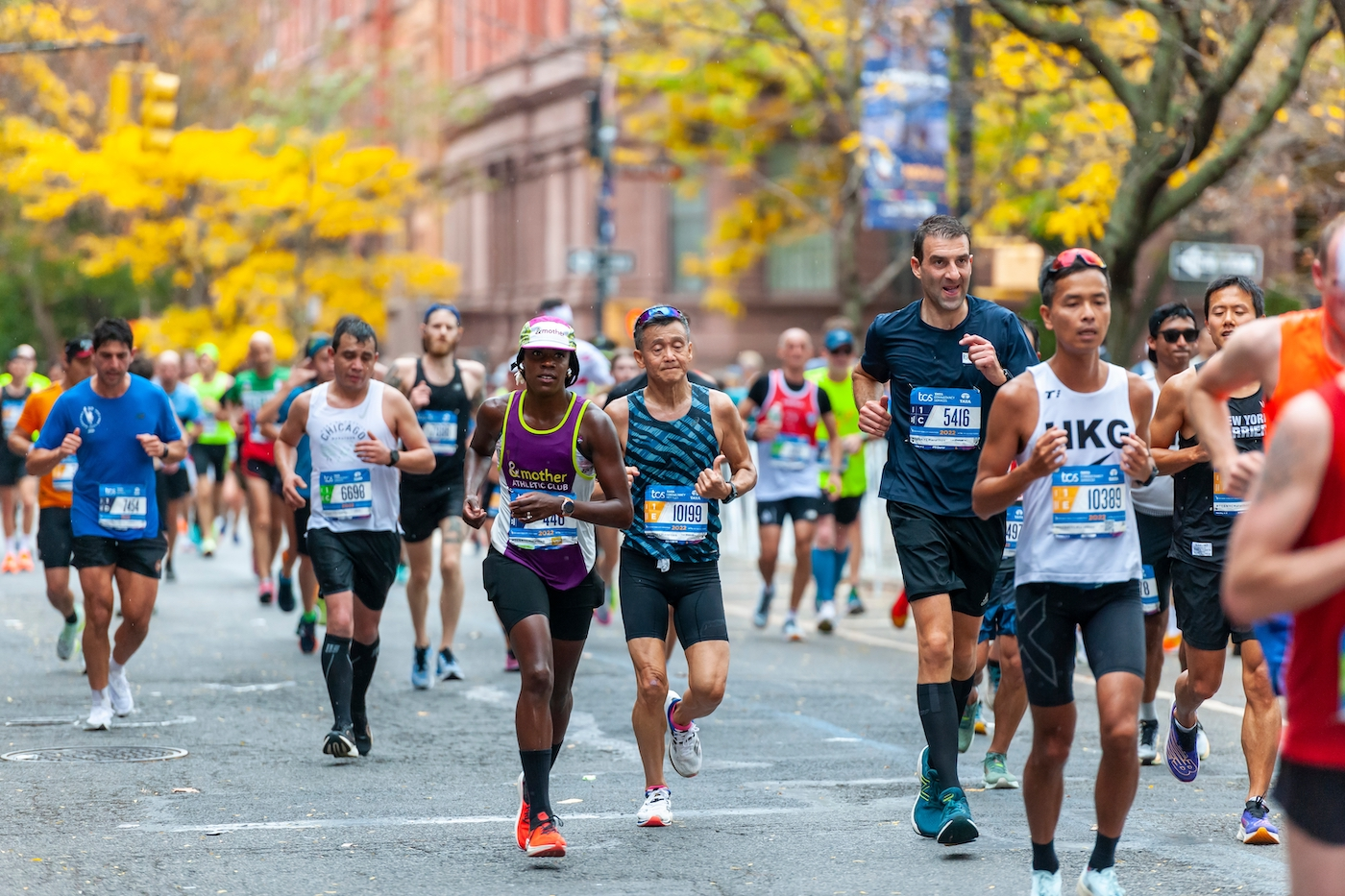
The Los Angeles marathon is a 26.2-mile road race held annually in Los Angeles, California. The event typically begins near Dodger Stadium, a sports and entertainment landmark situated just northeast of downtown, and travels through many neighborhoods and notable areas including Chinatown, Downtown Los Angeles, Hollywood, West Hollywood, Beverly Hills, and Century City, with the finish located in the West Los Angeles neighborhood near Santa Monica Boulevard.
The setting of the course is urban, mixing historic and contemporary cityscapes and traversing several prominent landmarks and commercial districts. Neighborhoods along the route vary in elevation, and the course provides a cross-section of Los Angeles geography and city life.
In terms of difficulty, the course is considered moderately challenging. The total elevation gain is estimated between 932 and 950 feet based on various sources. The route is net downhill, beginning at higher elevation (as high as 505-566 feet above sea level) and ending at a lower elevation (around 80-203 feet above sea level), with an overall net elevation loss of approximately 1169 feet. The marathon includes a number of climbs and descents, with early miles featuring notable hills particularly climbing out of the stadium and along 1st Street and Temple Avenue. There are also false flatsections, especially in the middle portion of the race on Sunset Boulevard and Burton Way, where the gradient can feel deceivingly steep and tiring. Data from course profiles suggest that roughly 58% of the course is flat, while the remainder includes a mix of minor and moderate inclines and declines, with only small portions classified as challenging inclines or declines.
Notable facts about the race include its passage through diverse cultural zones such as Chinatown and historic landmarks along iconic streets like Sunset Boulevard. The large net elevation drop gives the race a unique character compared to flatter urban marathons. Feedback from participants notes large crowds especially in the final parts of the course as well as specific logistical challenges at the finish line, including a significant walk after finishing and complex post-race logistics. The event has a long history and is recognized as one of the major marathons in the United States.
Overall, the Los Angeles marathon is characterized by its varied urban environment, moderate but sometimes surprising elevation features, and notable community support along the route.
Statistics
| Elevation | ||
|---|---|---|
| Elevation Gain | 278 m | 912 ft |
| Elevation Low | 62 m | 203 ft |
| Elevation High | 174 m | 571 ft |
| Weather | ||
| Expected Temperature (Low) | 7°C | 45°F |
| Expected Temperature (High) | 19°C | 65°F |
| Chance of Rain | 8% | |
Did we get something wrong? Let us know at support@statathon.com