
Salt Lake City Marathon
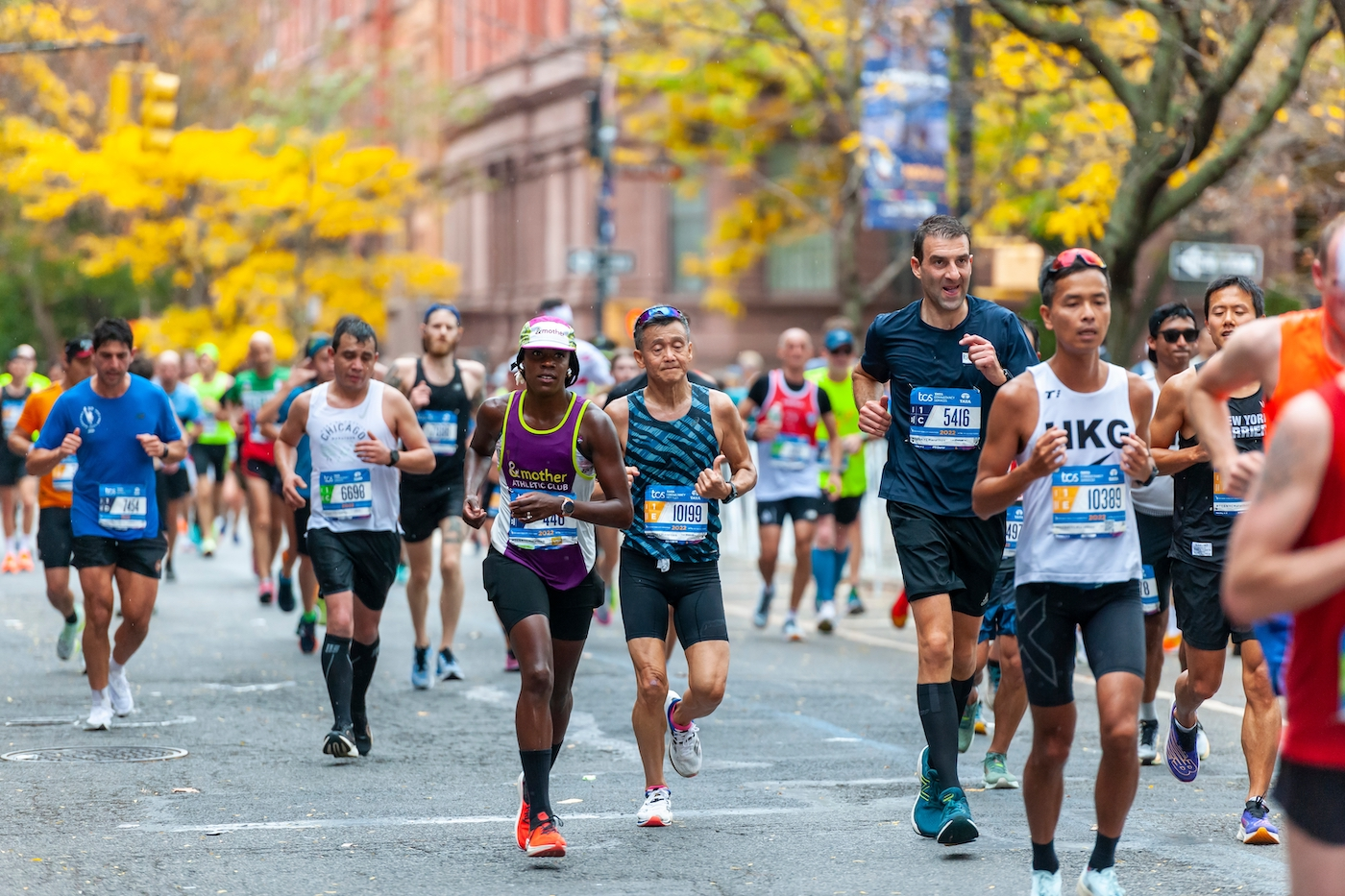
The marathon route presents a distinct combination of altitude, elevation changes, and urban landscapes. Beginning at an elevation near 4,950 feet and reaching a maximum of approximately 4,874 feet, participants experience a notable overall elevation drop to the finish, which sits around 4,243 feet. The cumulative elevation gain is approximately 911 to 918 feet, while the loss is about 1,495 to 1,501 feet, providing a net downhill profile yet interspersed with rolling hills and ascents that demand strategic pacing and stamina.
Runners progress through a variety of neighborhoods, parks, and signature city districts. Early sections traverse the tree-lined avenues near the University of Utah and climb into Federal Heights, presenting early elevation challenges. Subsequent miles wind through the historic Avenues district before descending toward downtown. The course threads through well-known public spaces like Liberty Park, Fairmont Park, and Sugar House, offering a mixture of green spaces and city scenery.
Urban sights feature prominently, with stretches near Washington Square, Library Square, the Eagle Gate Monument, and close proximity to Temple Square. These segments immerse participants in the metropolitan heart of the city, flanked by civic architecture and public art. Neighborhood stretches, such as Downtown Holladay and The Aves, introduce residential character, while longer roads leading into and out of parks highlight the amplitude of the course’s undulations.
Environmental factors play a significant role due to the high altitude and thin air, requiring runners especially those from lower elevations to adapt their pacing and hydration strategies. Moderate springtime temperatures typically support performance, but the elevation profile and altitude combine to moderate the overall speed of the field; less than 3% of finishers typically achieve Boston Marathon qualifying times, ranking the course as average in qualifying opportunity and relative difficulty.
The runner’s experience is shaped by this interplay of physical challenge and scenic progression. Urban backdrops, landscaped parks, mountain vistas in the distance, and the continual rise and fall of the route produce a race that is as visually dynamic as it is physically demanding. Frequent aid stations and medical support are provided along major landmarks and park transitions to mitigate the course’s rigors.
With its combination of altitude, rolling hills, long straightaways, and a stadium finish, this marathon offers participants a demanding but rewarding passage through both the natural and cultural highlights of the city.
Statistics
| Elevation | ||
|---|---|---|
| Elevation Gain | 277 m | 909 ft |
| Elevation Low | 1358 m | 4455 ft |
| Elevation High | 1426 m | 4678 ft |
| Weather | ||
| Expected Temperature (Low) | 10°C | 51°F |
| Expected Temperature (High) | 25°C | 76°F |
| Chance of Rain | 3% | |
Did we get something wrong? Let us know at support@statathon.com