
SoCal Marathon
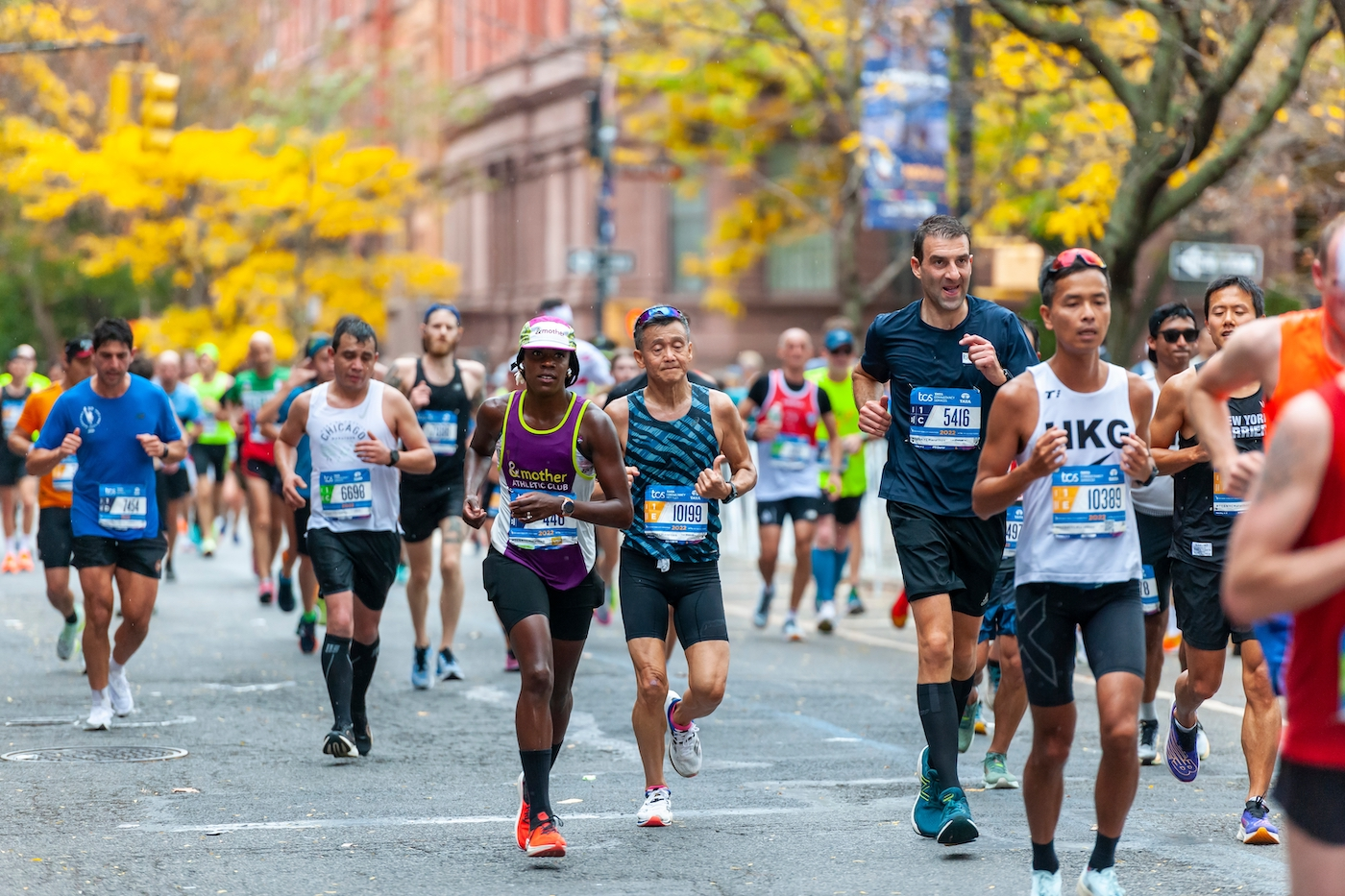
The event referred to as the “SoCal Marathon” appears to be the Los Angeles Marathon, which takes place annually in Southern California. The race covers a standard marathon distance of 26.2 miles and follows a point-to-point route that begins at Dodger Stadium in Los Angeles and ends on Avenue of the Stars in Century City.
The setting of the marathon includes a tour through several distinct neighborhoods and districts of Los Angeles. Runners traverse Downtown LA, Echo Park, Hollywood, West Hollywood, Beverly Hills, Brentwood, and finish in Century City, passing notable city landmarks such as Chinatown Gateway Monument, Los Angeles City Hall, and sections of Hollywood Boulevard. Portions of the course also feature recognizable locations like Rodeo Drive and Santa Monica Boulevard.
In terms of difficulty, the course profile is categorized as rolling hills.The initial miles contain gentle downhills and some short but sharp inclines, including an early climb around the 0.2-0.3 mile mark and a more substantial climb at approximately mile 4.5 with a grade of roughly 6.9%. Runners are advised to pace themselves through these early undulations to avoid fatigue later on. Aid stations providing water and hydration solutions are positioned regularly throughout the course.
Notable facts about the event include its extensive route through culturally and architecturally significant parts of Los Angeles. There is live entertainment at several course locations, such as lion dancers and taiko drummers in the early miles, contributing to the distinctive atmosphere of the race. The event has a time limit of 6 hours and 30 minutes from the last starter’s crossing, accommodating a wide range of participants. All finishers receive a commemorative medal upon completion.
This marathon is the largest running event in Los Angeles held in March and is recognized for its significant community involvement and diverse participant base. The race is conducted entirely on paved roads and features a secured starting area at Dodger Stadium and a mapped-out finish area near Century Park, with affiliated activities and logistical support for runners.
Statistics
| Elevation | ||
|---|---|---|
| Elevation Gain | 52 m | 171 ft |
| Elevation Low | 2 m | 7 ft |
| Elevation High | 113 m | 371 ft |
| Weather | ||
| Expected Temperature (Low) | 6°C | 43°F |
| Expected Temperature (High) | 19°C | 65°F |
| Chance of Rain | 17% | |
Did we get something wrong? Let us know at support@statathon.com